Key Takeaways
- Most people can eat after a dental cleaning, but dentists often recommend waiting at least 30 minutes if fluoride treatment was applied.
- Soft foods and drinks are usually the best choices immediately after a cleaning, especially if teeth or gums feel sensitive.
- Avoiding sticky, hard, acidic, and very hot or cold foods can help reduce irritation after treatment.
- Mild sensitivity or slight bleeding after a cleaning is common, especially for patients with tartar buildup or gum inflammation.
- Regular dental cleanings help prevent cavities, gum disease, bad breath, and other oral health problems.
- Gentle brushing, flossing, and good daily oral hygiene habits help maintain the benefits of professional cleanings.
- Patients should contact their dentist if they experience severe pain, swelling, heavy bleeding, or prolonged sensitivity after an appointment.
Dental cleanings are one of the most important parts of maintaining good oral health. Regular cleanings help remove plaque, tartar, and stains while lowering the risk of cavities and gum disease. Even people who brush and floss every day still benefit from professional cleanings because dental tools can reach areas that are difficult to clean at home.
After a dental cleaning, many patients wonder the same thing: can you eat right away?
The answer depends on the type of cleaning you received and whether additional treatments like fluoride were applied. In many cases, you can eat shortly after your appointment, but dentists often recommend avoiding certain foods and drinks for a period of time.
Understanding what to eat, what to avoid, and how to care for your mouth after a cleaning can help protect your teeth and keep your smile healthy.
This guide explains what dentists recommend after dental cleanings and how to make recovery as comfortable as possible.
What Happens During a Dental Cleaning?
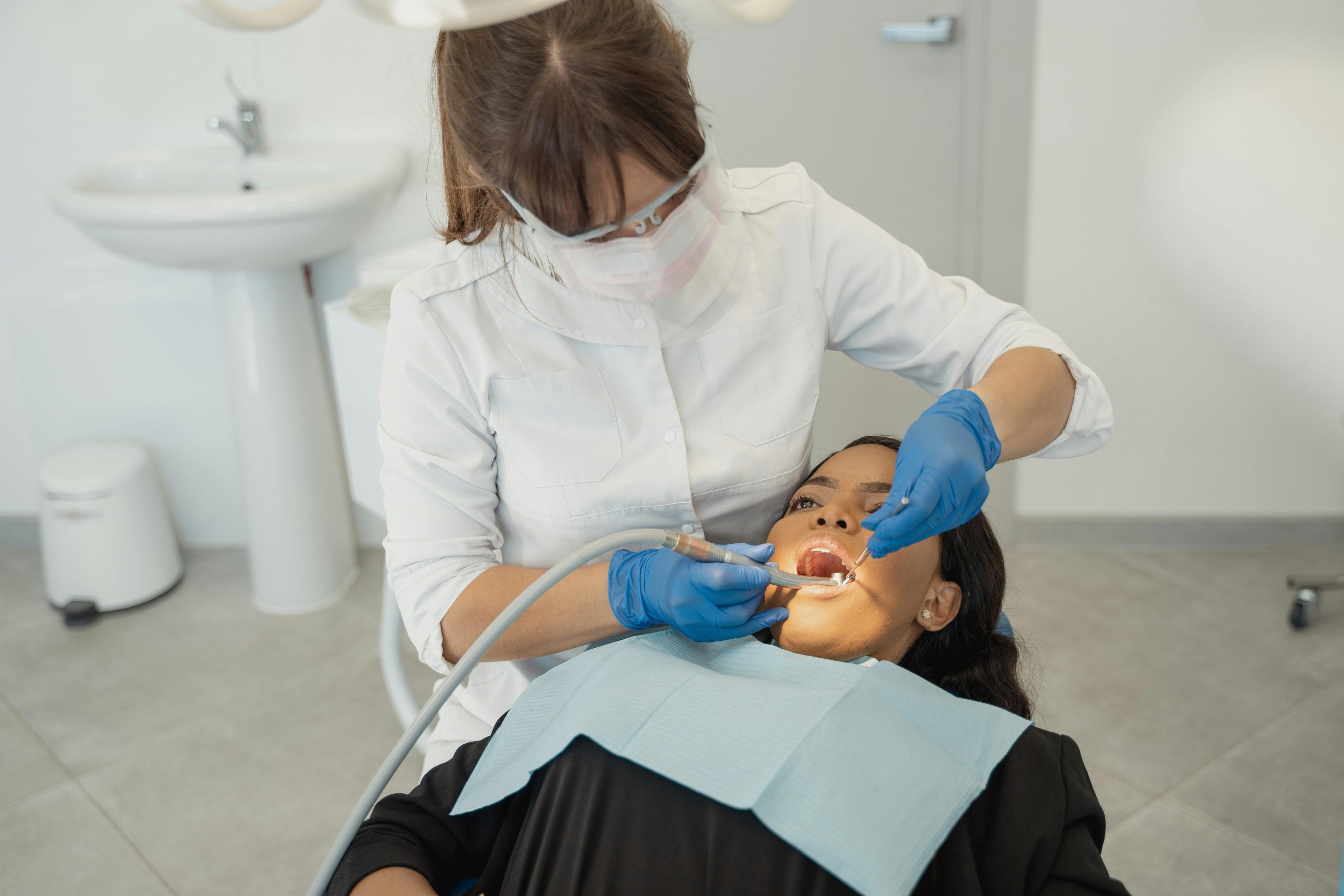
A professional dental cleaning is usually performed by a dental hygienist or dentist.
The cleaning process often includes:
- Removing plaque and tartar
- Polishing teeth
- Flossing
- Examining gums
- Checking for oral health problems
Some appointments may also include:
- Fluoride treatment
- X-rays
- Deep cleaning procedures
- Gum measurements
Regular cleanings help prevent:
- Cavities
- Gum disease
- Tooth loss
- Bad breath
- Staining
Most people should schedule dental cleanings every six months, although some patients may need more frequent visits.
Can You Eat Right After a Dental Cleaning?

In many cases, yes, you can eat after a routine dental cleaning.
However, dentists usually recommend waiting at least 30 minutes if you received a fluoride treatment. Fluoride helps strengthen enamel and protect teeth from decay, but it needs time to fully absorb into the teeth.
Eating too soon after fluoride treatment may reduce its effectiveness.
If no fluoride was applied, many patients can eat shortly after leaving the office.
Still, your mouth may feel:
- Sensitive
- Numb
- Sore
- Irritated
Choosing softer foods immediately after the appointment can help reduce discomfort.
Why Teeth May Feel Sensitive After Cleaning
Some patients notice tooth sensitivity after cleanings, especially if:
- There was heavy tartar buildup
- The gums were inflamed
- A deep cleaning was performed
- Teeth were already sensitive before treatment
Cleaning removes plaque and tartar that may have covered sensitive areas of the teeth.
This temporary sensitivity often improves within a few hours or days.
Foods Dentists Recommend After a Cleaning
Soft and gentle foods are usually best after a dental cleaning.
Good Foods to Eat
Yogurt
Yogurt is soft, cool, and easy on sensitive gums.
Soup
Warm soups are comforting, but avoid extremely hot temperatures if your mouth feels tender.
Scrambled Eggs
Eggs provide protein without requiring much chewing.
Mashed Potatoes
Soft foods like mashed potatoes reduce irritation on sensitive teeth.
Smoothies
Smoothies can be refreshing after cleanings, but avoid excessive sugar.
Oatmeal
Warm oatmeal is filling and gentle on the mouth.
Soft Fruits
Bananas and applesauce are good options after cleanings.
These foods help minimize discomfort while your teeth and gums recover.
Foods to Avoid After a Dental Cleaning
Some foods and drinks may irritate sensitive teeth or interfere with fluoride treatment.
Sticky Foods
Sticky foods can cling to freshly cleaned teeth.
Avoid:
- Caramel
- Gummies
- Taffy
Hard Foods
Crunchy foods may irritate tender gums.
Avoid:
- Hard candy
- Ice
- Nuts
- Chips
Acidic Foods and Drinks
Acidic items can worsen tooth sensitivity.
Examples include:
- Citrus fruits
- Soda
- Vinegar-based foods
- Sports drinks
Hot or Cold Foods
Extreme temperatures may trigger discomfort in sensitive teeth.
Dark-Colored Drinks
If your teeth were polished, dentists may recommend limiting stain-causing drinks temporarily.
Examples include:
- Coffee
- Tea
- Red wine
What If You Had a Deep Cleaning?
A deep cleaning is different from a regular cleaning.
Deep cleanings are often used to treat gum disease and involve cleaning below the gumline.
After deep cleaning, your mouth may feel:
- More sensitive
- Slightly swollen
- Tender
- Numb if anesthesia was used
In these cases, dentists often recommend:
- Soft foods
- Plenty of water
- Avoiding alcohol
- Avoiding smoking
- Gentle brushing
Recovery may take a few days depending on the severity of the procedure.
How Long Should You Wait to Eat After Fluoride Treatment?
Most dentists recommend waiting at least 30 minutes after fluoride treatment before eating or drinking.
Some offices may suggest waiting longer depending on the fluoride type used.
Fluoride treatments help:
- Strengthen enamel
- Prevent cavities
- Reduce tooth sensitivity
Waiting allows the fluoride to fully absorb into the teeth for better protection.
Drinking Water After a Dental Cleaning
Water is usually encouraged after a cleaning unless your dentist gives different instructions.
Drinking water helps:
- Wash away bacteria
- Reduce dryness
- Support saliva production
- Keep the mouth clean
Avoid sugary drinks immediately after the appointment if possible.
Can You Brush Your Teeth After a Cleaning?
Yes, but you should brush gently if your gums feel sore.
Use:
- A soft-bristled toothbrush
- Gentle pressure
- Non-abrasive toothpaste
If your gums are bleeding slightly, continue brushing carefully unless your dentist advises otherwise.
Avoid aggressive brushing because it may increase irritation.
Flossing After a Dental Cleaning
Flossing remains important after a cleaning.
Your gums may feel tender at first, but regular flossing helps:
- Prevent plaque buildup
- Reduce inflammation
- Improve gum health
Gentle flossing is usually safe unless you had extensive gum treatment.
What Causes Bleeding After a Cleaning?
Mild bleeding can happen after cleanings, especially if:
- Gums were inflamed
- Plaque buildup was significant
- Flossing habits were inconsistent
Bleeding often improves within a day or two.
However, severe or ongoing bleeding should be reported to your dentist.
Tips to Reduce Sensitivity After a Cleaning
Tooth sensitivity after cleaning is usually temporary.
Helpful Tips
- Use toothpaste for sensitive teeth
- Avoid acidic foods
- Drink lukewarm water
- Use a soft toothbrush
- Avoid aggressive brushing
Sensitivity typically improves quickly with proper care.
Why Professional Cleanings Matter
Skipping dental cleanings can increase the risk of:
- Cavities
- Gum disease
- Tooth loss
- Infections
- Chronic bad breath
Plaque hardens into tartar over time, and tartar cannot be removed by brushing alone.
Routine cleanings help catch oral health problems early before they become more serious or expensive.
Preparing for Dental Appointments
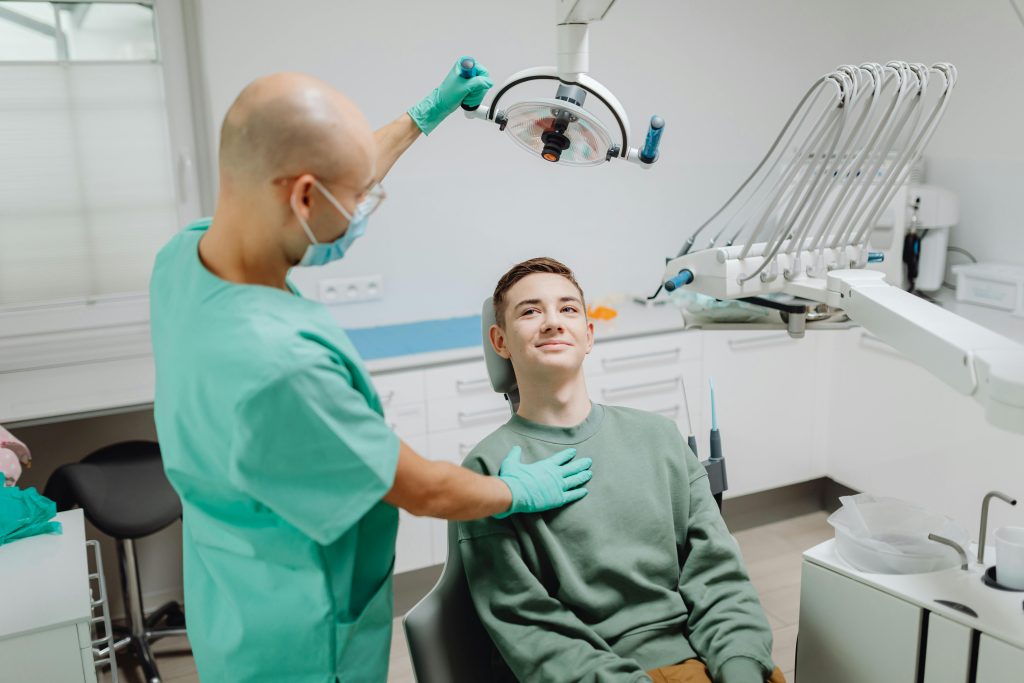
Some patients feel nervous before dental visits.
Learning how to prepare for dental visits can help make appointments smoother and less stressful.
Helpful preparation tips include:
- Brushing and flossing beforehand
- Writing down questions
- Arriving early
- Informing the office about anxiety
- Avoiding heavy meals before treatment
Good communication with the dental team helps improve comfort during cleanings.
Can Dental Cleanings Whiten Teeth?
Dental cleanings can make teeth appear brighter by removing:
- Surface stains
- Plaque
- Tartar
However, cleanings do not permanently whiten teeth like professional bleaching treatments.
Patients looking for dramatic whitening may need additional cosmetic treatments.
How Often Should You Get Dental Cleanings?
Most people benefit from cleanings every six months.
However, some patients may need more frequent visits if they have:
- Gum disease
- Heavy tartar buildup
- Braces
- Smoking habits
- Diabetes
Your dentist will recommend a cleaning schedule based on your oral health needs.
Are Dental Cleanings Painful?
Routine cleanings are usually not painful, although some patients experience mild discomfort.
Factors that may increase sensitivity include:
- Inflamed gums
- Existing cavities
- Tooth sensitivity
- Anxiety
- Deep cleaning procedures
Dentists can often adjust techniques or use numbing agents if needed.
The Importance of Good Oral Hygiene at Home
Professional cleanings work best when combined with daily oral care.
Healthy habits include:
- Brushing twice daily
- Flossing every day
- Using fluoride toothpaste
- Drinking water regularly
- Limiting sugary foods
Daily care reduces plaque buildup between appointments.
Can You Smoke After a Dental Cleaning?
Dentists usually recommend avoiding smoking after cleanings, especially after deep cleanings or fluoride treatments.
Smoking can:
- Irritate gums
- Slow healing
- Increase staining
- Raise the risk of gum disease
Avoiding tobacco products supports better oral health overall.
Combining Cosmetic and Preventive Care
Modern dental practices often offer both preventive and cosmetic services.
Some patients are interested in combining dental and facial treatments as part of broader self-care and appearance goals.
While cleanings focus on oral health, some clinics may also provide:
- Teeth whitening
- Cosmetic bonding
- Facial aesthetics
- Skin treatments
Patients interested in multiple services should discuss timing and treatment plans with their dental provider.
Signs You Should Contact Your Dentist After a Cleaning
Most cleanings cause little to no recovery problems.
However, contact your dentist if you experience:
- Severe pain
- Heavy bleeding
- Swelling
- Fever
- Persistent sensitivity
- Signs of infection
These symptoms may indicate complications that need evaluation.
Children and Dental Cleanings
Children also benefit greatly from regular cleanings.
Pediatric cleanings help:
- Prevent cavities
- Teach oral hygiene habits
- Monitor tooth development
- Reduce dental anxiety
Parents should encourage positive dental experiences from an early age.
Tips for Maintaining a Clean Smile Longer
To keep teeth cleaner between appointments:
- Brush after meals when possible
- Drink water frequently
- Limit sugary snacks
- Avoid tobacco
- Use mouthwash if recommended
- Schedule regular cleanings
Consistency is the key to long-term oral health.
Final Thoughts
Yes, most people can eat after a dental cleaning, but dentists often recommend waiting at least 30 minutes if fluoride treatment was used. Choosing soft foods and avoiding very hot, cold, sticky, or acidic items can help reduce discomfort and protect sensitive teeth.
Dental cleanings play an important role in preventing cavities, gum disease, and other oral health problems. Understanding how to care for your mouth after a cleaning can improve comfort and help maintain the benefits of the appointment.
Good oral hygiene, regular dental visits, and healthy daily habits all work together to support a cleaner, healthier smile for years to come.