A child’s first dental visit is an important milestone. It introduces them to the dental office, helps establish healthy oral-care habits, and gives parents an opportunity to learn how to protect their child’s teeth as they grow. With a little preparation, you can make the experience comfortable, positive, and even enjoyable for your child.
Start the Conversation Early
Before the appointment, talk with your child about what will happen in simple, positive terms. Explain that the dentist is a doctor who helps keep their teeth clean and healthy.
You can mention that the dentist may look at their teeth, count them, and check their gums.
Try to avoid using words that could create unnecessary fear, such as “pain,” “shot,” “drill,” or “hurt.” Even if you are trying to reassure your child, introducing frightening possibilities can make them anxious. Instead, use calm and encouraging language and let the dental team explain procedures in an age-appropriate way.
You can also read children’s books about visiting the dentist or play pretend dentist at home. Taking turns examining a stuffed animal’s teeth or practicing opening wide can make the appointment feel more familiar.
Explain What to Expect
Children often feel nervous when they do not know what is going to happen. Giving them a general idea of the visit can reduce uncertainty.
Tell your child that they may sit in a special chair, wear a bib, and meet the dentist and dental staff. The dentist may use a small mirror or other tools to look at their teeth. Depending on the child’s age and needs, the appointment may also include cleaning, fluoride treatment, or guidance for parents.
Keep your explanation brief and positive. You do not need to describe every possible procedure before the visit. The goal is to make the experience predictable without giving your child reasons to worry about things that may not happen.
Make Dental Care Part of Everyday Life
Preparing for a first visit should begin at home. Help your child develop a regular brushing routine using an age-appropriate toothbrush and fluoride toothpaste as recommended by their dental professional.
Young children typically need assistance with brushing because they may not yet have the coordination to clean every surface effectively. Parents can make brushing more enjoyable by choosing a fun toothbrush, singing a short song, or creating a consistent morning and bedtime routine.
When oral care is already a normal part of your child’s day, visiting the dentist can feel like another part of staying healthy rather than an unfamiliar event.
Let Your Child Bring Comfort Items
If your child has a favorite stuffed animal, blanket, or small toy, ask whether they can bring it to the appointment. A familiar object may provide reassurance in an unfamiliar environment.
For very young children, sitting on a parent’s lap may also help them feel secure, depending on the office’s procedures. Your calm presence can be reassuring, so try to speak positively and remain relaxed throughout the visit.
Avoid Bribing or Making Promises
It can be tempting to promise a large reward for behaving well at the dentist. However, this may unintentionally suggest that the appointment is something frightening that requires compensation.
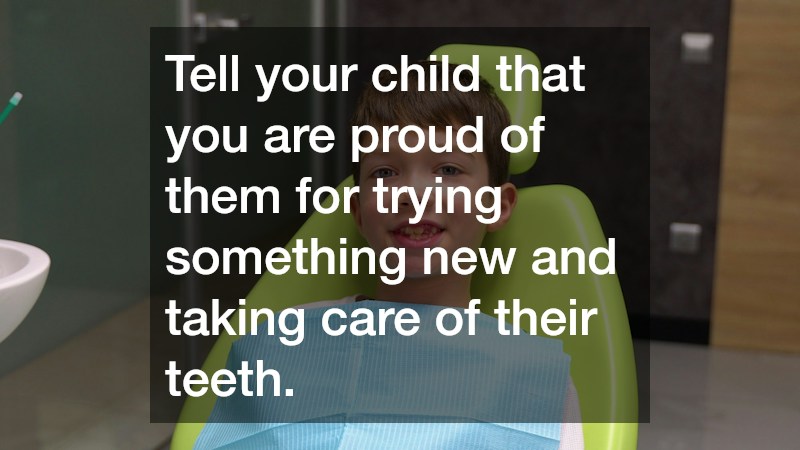
Instead, focus on encouragement. Tell your child that you are proud of them for trying something new and taking care of their teeth. Afterward, talk about what they experienced and celebrate their accomplishment without emphasizing fear or discomfort.
Share Important Information With the Dental Team
Before the appointment, make a note of any questions or concerns you have about your child’s teeth, brushing habits, thumb-sucking, pacifier use, diet, or other oral-health habits. Share relevant medical information and let the dental team know if your child has had previous negative experiences with doctors or medical settings.
Your child’s dentist can explain what is appropriate for their age and help you understand how to care for their teeth between visits. This is one of the most valuable parts of a first pediatric dentistry appointment because parents can receive personalized guidance before small concerns become larger problems.
Stay Positive After the Visit
Once the appointment is over, give your child a chance to talk about the experience. Ask open-ended questions such as, “What did you like about the dentist?” or “What was your favorite part?”
If your child was nervous, acknowledge their feelings without reinforcing them. You might say, “It was okay to feel nervous, and you did a great job trying something new.” This helps build confidence for future appointments.
Most importantly, treat dental visits as a normal part of growing up. Regular checkups allow dental professionals to monitor oral development, identify potential concerns early, and provide families with guidance for maintaining healthy smiles.
With preparation, patience, and positive language, your child’s first dental appointment can become the beginning of a comfortable relationship with oral health. A supportive approach at home, combined with regular pediatric dentistry visits, can help your child develop habits and attitudes that support a healthy smile for years to come.