Navigating healthcare systems can feel like a full-time job for parents of children with special healthcare needs. Between coordinating therapies, managing medical appointments, and balancing daily family routines, finding the right oral healthcare provider often presents unique challenges. Dental visits can be sensory-heavy, unpredictable, and overwhelming for children with physical, developmental, sensory, or intellectual disabilities.
A standard clinical environment—with bright overhead lights, loud suction instruments, reclining chairs, and unfamiliar touch—can trigger severe anxiety, sensory overload, or physical distress. However, routine oral hygiene and preventative dental care are critical to a child’s overall health, nutrition, speech development, and comfort. Delaying dental visits due to fear of a difficult experience can lead to undetected decay, severe oral pain, and complex restorative procedures down the road.
Finding the right dental provider is about more than finding someone with a diploma on the wall. It requires identifying a compassionate, patient, and highly trained dental team that views your child as an individual, accommodates their physical and sensory needs, and adapts their clinical techniques accordingly.
Researching Pediatric Specialization and Board Certification

When searching for a dentist for your child with a disability, the first criteria to evaluate is the clinical team’s formal training and specialized credentials. While general dentists are licensed to treat patients of all ages, pediatric dentists undergo two to three years of additional post-doctoral residency training focused exclusively on child psychology, growth and development, behavior guidance, and advanced care for patients with special healthcare needs.
Board certification by the American Board of Pediatric Dentistry indicates that a practitioner has gone beyond standard licensing to demonstrate exemplary clinical knowledge and a commitment to ongoing education. During residency, pediatric specialists receive hands-on training in hospital settings, learning how to modify treatment protocols for children with Autism Spectrum Disorder, Cerebral Palsy, Down syndrome, seizure disorders, and rare genetic conditions.
Inquire directly about the practice’s experience with your child’s specific diagnosis. A practice that regularly sees non-verbal children or patients with extreme tactile sensitivity will have established protocols for desensitization and communication.
Partnering with a specialized pediatric preventative dentist in san diego or your local metropolitan area ensures your child receives gentle, non-coercive preventative care focused on long-term acclimatization. These specialized providers prioritize early risk assessments, custom fluoride applications, and tailored home hygiene plans designed around your child’s motor capabilities and oral aversion triggers.
Consult with your child’s primary pediatrician, occupational therapist, or physical therapist for direct professional referrals. Therapists who work closely with your child often know which local dental teams possess the patience and adaptive skills necessary for a successful clinical visit.
- Verify board certification and residency training: Confirm that the primary clinician completed a dedicated pediatric dental residency program covering special needs care.
- Ask about experience with specific diagnoses: Inquire how frequently the clinical staff treats children with your child’s exact physical or developmental profile.
Evaluating Physical Accessibility and Adaptive Clinical Equipment
Physical accessibility encompasses far more than having a ramp at the front entrance. For children with mobility limitations, spasticity, or specialized medical equipment, navigating a traditional dental operatory can present significant physical barriers and safety risks.
During your preliminary screening, ask specific questions about the physical layout of the facility. Confirm that the office features wide doorways, threshold-free transition points, and spacious treatment bays that accommodate heavy mobility gear. Many children who rely on custom wheelchairs experience significant distress or physical discomfort when transferred into a standard dental chair, especially if they have spinal rods, gastrostomy tubes, or severe muscle spasticity.
Top-tier accessible dental practices accommodate patients who utilize wheelchairs by offering specialized treatment rooms designed for direct in-chair examinations. This approach allows the dental team to adjust the room’s footprint, utilize portable lighting, and perform gentle exams while your child remains safely and comfortably seated in their custom mobility device.
For children who can safely transfer or who require specialized positioning during restorative care, inquire whether the clinic utilizes a specialized lift chair or hydraulic transfer system. Using proper mechanical lifting equipment protects both the child and the dental staff from accidental falls or strain during patient transfers.
Inquire about gentle positioning aids available in the office. Weighted blankets, beanbag chair positioners, soft foam wedges, and supportive body wraps provide deep pressure input that helps soothe nervous sensory systems while keeping a child’s head and torso stably supported throughout the appointment.
- Verify full wheelchair accessibility: Ensure treatment rooms feature roll-in access and ample clearance for custom power or manual mobility equipment.
- Ask about in-chair examination options: Confirm whether simple cleanings and exams can be performed while your child stays safely in their mobility device.
Assessing Sensory Accommodations and In-Office Environment
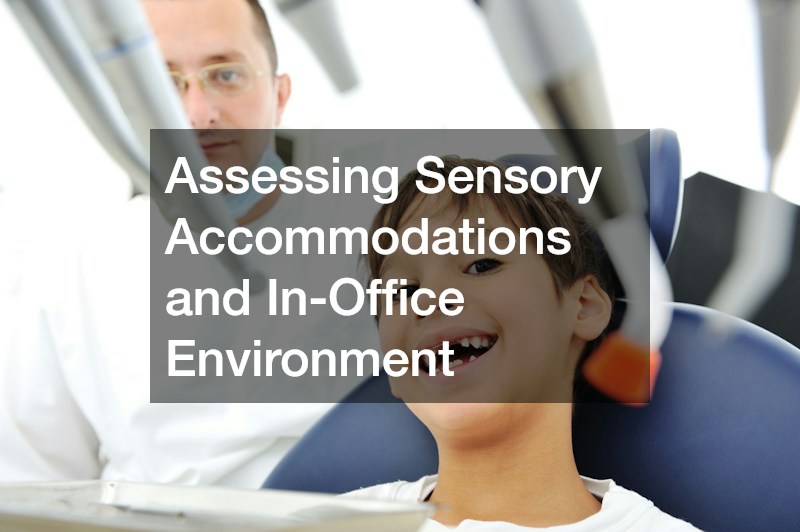
For many neurodivergent children or those with sensory processing differences, the dental office is a minefield of overwhelming stimuli. The high-pitched whine of dental handpieces, the sudden sensation of cold water, bright overhead surgical lights, and the taste of gritty prophy paste can trigger immediate sensory overload, leading to distress or meltdowns.
A high-quality special needs dental practice actively works to modify the sensory environment to match each patient’s individual processing needs. Evaluate whether the office offers private, enclosed treatment rooms instead of an open-bay hygiene layout. Open-bay designs expose children to the sights and sounds of other patients crying or receiving treatment, raising baseline anxiety before the exam even begins.
Ask if the practice offers customizable sensory control options. Many specialized clinics allow parents to dim overhead fluorescent lighting, utilize quiet handpieces, or provide dark sunglasses to shield bright examination lights. Allowing children to wear noise-canceling headphones connected to their favorite music or tablet video helps drown out suction noises and instrument clatter.
Inquire whether the practice supports “desensitization visits”—sometimes called “happy visits.” These short, non-treatment appointments allow your child to visit the office, explore the waiting room, sit in the dental chair, meet the hygienist, and touch non-threatening instruments like the air-water syringe without the pressure of an actual cleaning or procedure.
Communication style is a critical sensory component. The dental team should utilize the “Tell-Show-Do” methodology: first explaining what tool will be used in child-friendly language, then showing the tool on the child’s hand or a toy, and finally performing the action in the mouth. Predictability removes the element of surprise and builds trust over time.
- Request private treatment operatories: Choose clinics with private rooms to shield your child from background noise and visual distractions.
- Utilize sensory reduction tools: Bring or request noise-canceling headphones, weighted blankets, dimmable lights, and dark sunglasses.
Screening Behavior Management, Sedation Options, and Medical Protocols
When preventative acclimatization and sensory modifications are insufficient to allow for safe dental treatment—particularly for complex restorations, extractions, or severe dental pain—evaluating the practice’s approach to behavior management and pharmacological intervention becomes essential.
Begin by discussing the practice’s core philosophy regarding behavior guidance. Respectful, ethical pediatric providers prioritize positive reinforcement, verbal praise, and gentle distraction over rigid physical management. Ensure the practice never uses physical stabilization or protective stabilization wraps without your explicit, informed consent and a clear clinical justification.
For children with severe dental phobia, involuntary movement disorders, or extensive treatment needs, evaluate the practice’s spectrum of pharmacological sedation options. Nitrous oxide (laughing gas) is a mild, safe option that reduces anxiety and dulls gag reflexes while keeping the child fully conscious and responsive.
When deeper sedation is necessary, confirm whether the office offers oral conscious sedation or intravenous (IV) deep sedation administered directly by a board-certified pediatric anesthesiologist. Having a dedicated, independent anesthesiologist monitoring vital signs—including oxygen saturation, heart rate, blood pressure, and exhaled carbon dioxide—allows the primary dentist to focus entirely on precision dental work.
Verify that the lead dentist holds active hospital staff privileges at an accredited local children’s hospital. For medically complex children—such as those with severe cardiac conditions, unstable seizure disorders, or compromised airways—performing dental procedures in an outpatient hospital operating room under general anesthesia is often the safest pathway.
- Audit physical management philosophies: Ensure the team uses non-coercive, positive behavior guidance and requires consent for any stabilization.
- Review mild and moderate sedation options: Discuss whether nitrous oxide or oral conscious sedation is appropriate for mild anxiety or gag reflexes.
Tapping Into Local Support Networks and Parent Recommendations
Finding an exceptional healthcare provider often relies on word-of-mouth insights from other parents who have walked a similar path. While a practice’s website can showcase impressive credentials, parent recommendations reveal the day-to-day reality of how compassionate, patient, and accommodating the staff truly is when a child experiences a difficult moment.
Connect with local parent support groups, disability advocacy organizations, and disease-specific foundations in your area. Parents of children with Autism, Down syndrome, or Cerebral Palsy frequently share candid feedback regarding which local dental teams go above and beyond—and which practices lack the patience necessary for special needs care.
Reach out to professionals who interact with your child in educational and therapeutic settings. School nurses, occupational therapists, speech-language pathologists, and special education teachers at local elementary schools often compile resource lists of trusted, accessible healthcare providers based on feedback from dozens of local families.
If your child requires specialized airway or jaw evaluations, consult with a pediatric orthodontist who works closely with special needs populations. Early interceptive orthodontic evaluations can identify narrow palates or bite misalignments that interfere with breathing, chewing, or speech, and experienced orthodontic specialists maintain strong referral networks with pediatric dentists.
Read online reviews with a critical eye, filtering specifically for keywords related to special needs, patience, accessibility, and staff empathy. Look for detailed stories from parents describing how the team handled unexpected tears, sensory meltdowns, or complex physical transfers.
- Engage with local disability parent groups: Seek candid recommendations from local support networks and advocacy chapters.
- Consult with school nurses and therapists: Ask staff at local elementary schools and therapy clinics for their vetted dental referral lists.
Distinguishing Authentic Care from Practice Marketing

In the modern digital era, healthcare marketing can make almost any practice appear welcoming and state-of-the-art. However, parents must learn to look past glossy digital campaigns to verify whether a practice possesses genuine clinical expertise in special needs care or is simply casting a wide commercial net.
Be cautious of slick commercial advertising campaigns generated by a general marketing agency that use generic buzzwords like “family-friendly” or “gentle care” without providing specific details regarding special needs training, hospital privileges, or accessible equipment. True special needs expertise is reflected in specific clinical credentials, detailed accessibility descriptions, and clear intake protocols rather than decorative marketing copy.
During your initial phone screening, ask direct questions regarding facility maintenance and safety standards. Confirm that the office operates in a clean, modern facility free of environmental issues—such as unaddressed plumbing leaks, mold hazards, or building damage requiring water remediation—that could compromise indoor air quality or trigger respiratory distress in medically fragile children.
Be wary of high-pressure sales tactics or cosmetic dentist san diego offices that focus primarily on high-margin aesthetic procedures. A general practice or commercial cosmetic dentist San Diego facility designed for adult aesthetic makeovers is rarely equipped with the physical equipment, sensory tools, or patient demeanor required for pediatric special needs care.
Unless your child explicitly requires complex structural or post-trauma dental restoration that calls for a specialized cosmetic dentist working in tandem with a pediatric specialist under hospital sedation, prioritize practices dedicated entirely to comprehensive pediatric and special needs healthcare.
- Filter out generic marketing claims: Look past slick digital ads to verify actual board certifications, hospital privileges, and facility accessibility.
- Ask detailed intake questions: Gauge the receptionist’s knowledge when you ask about wheelchair transfers, sedation protocols, and sensory tools.
Building a Foundation of Comfort and Dignity
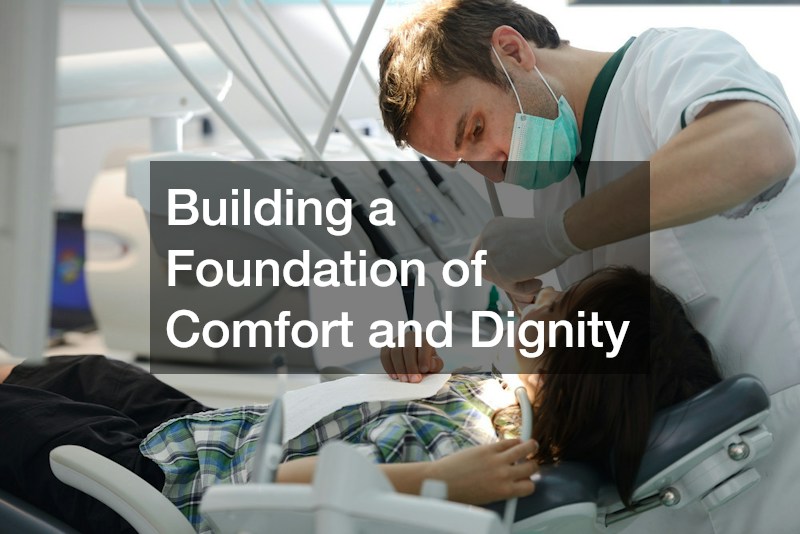
Finding the right dentist for your child with a disability requires diligence, research, and clear communication. By looking beyond basic location convenience to evaluate pediatric specialization, physical accessibility, sensory accommodations, and compassionate care philosophies, you can select a clinical team that honors your child’s dignity while protecting their oral health.
A successful dental partnership relies on open, continuous communication. Share your child’s communication style, sensory triggers, physical needs, and medical history upfront, working collaboratively with the dental team to adapt appointment flows over time.
Investing time in finding the right dental home pays off in a lifetime of healthy smiles, reduced medical anxiety, and positive healthcare experiences. With the right team in your corner, routine dental care transforms from a source of parenting stress into an empowering, supportive routine that keeps your child healthy, comfortable, and smiling bright for years to come.