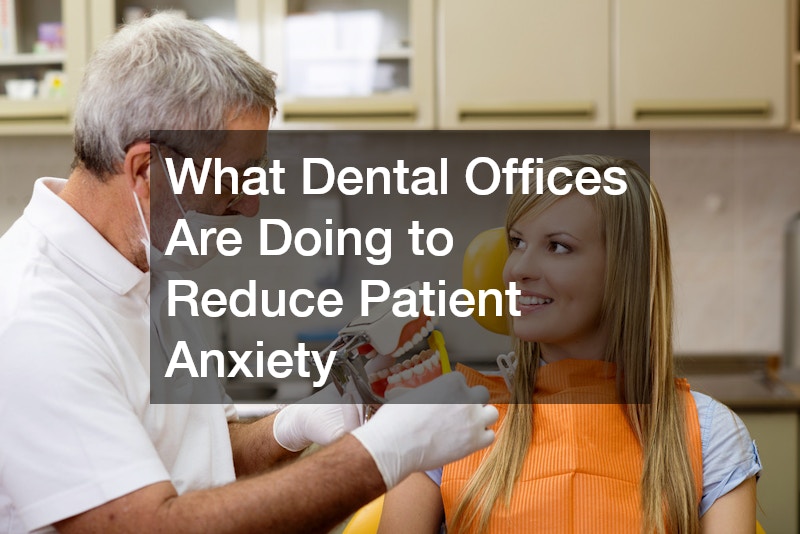
Visiting the dentist can be a source of anxiety for many people, but it doesn’t have to be. With careful preparation, you can transform your dental appointments from stressful obligations into routine, manageable experiences. Planning ahead helps you stay organized, reduces the likelihood of last-minute surprises, and ensures you get the most out of your visit. Whether you’re attending a routine cleaning, a more complex procedure, or bringing children along, preparation is key to a smoother, more effective experience.
This guide will walk you through every aspect of preparing for a dental visit, from understanding your procedure and managing anxiety to post-procedure care and emergency planning. Additionally, it will explore family considerations, including tips for children and coordination with childcare services. By the end, you’ll have actionable steps to approach your next dental appointment with confidence and ease.

Scheduling and Planning Your Dental Appointment
Proper planning begins with scheduling. Choosing the right time and day can minimize stress and help ensure your visit is productive. Early morning appointments often work well because you haven’t yet faced the day’s interruptions, and your energy is high. Mid-week appointments may also be preferable for people with busy schedules, as Mondays and Fridays can be hectic.
Steps to Schedule Effectively
-
Check your calendar – Pick a time when you can relax before and after your appointment.
-
Confirm your insurance coverage – Ensure your visit aligns with your dental plan to avoid unexpected costs.
-
Gather past records – Bring previous dental records or X-rays for reference.
-
Set reminders – Use phone alarms, calendar alerts, or sticky notes to ensure you don’t miss your appointment.
Preparing Logistically
-
Arrange transportation if sedation or complex procedures are involved.
-
Pack essentials like a list of medications, insurance cards, and questions you want to ask.
-
Plan for recovery time if necessary, especially after procedures like extractions or implants.
By scheduling strategically and preparing ahead, your dental appointment can feel organized and stress-free.
Understanding Your Dental Procedure
Knowing what to expect during a dental procedure can alleviate fear and uncertainty. From routine cleanings to dental implants, understanding the steps, duration, and recovery requirements helps you approach the visit with confidence.
Common Dental Procedures
-
Routine cleanings and exams – Usually painless, they prevent cavities and gum disease.
-
Fillings and crowns – Address minor decay and restore tooth structure.
-
Root canals – Treat infection in the tooth pulp, often with local anesthesia.
-
Extractions – Necessary for damaged or impacted teeth.
Dental Implants
For those considering dental implants, preparation is particularly important. Implants require a multi-step procedure, including consultation, surgical placement, and healing time before final crowns are attached. Patients should understand:
-
Pre-surgery health requirements
-
Expected recovery timelines
-
Possible discomfort and pain management strategies
Questions to Ask Your Dentist
-
What is the step-by-step process for my procedure?
-
How long will it take, and what is the recovery period?
-
Are there alternatives if I am anxious or concerned?
-
What costs or insurance coverage should I anticipate?
Understanding your procedure before arriving allows you to prepare mentally and physically, making the visit more predictable and comfortable.
Managing Anxiety and Fear
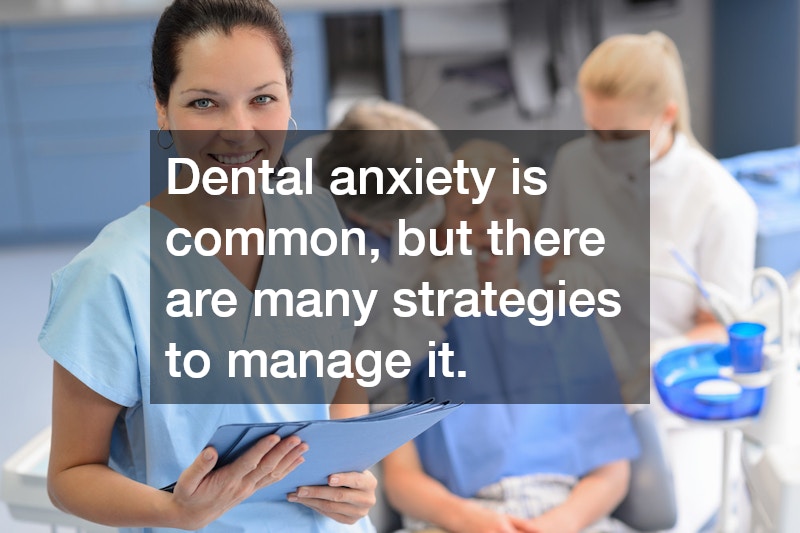
Dental anxiety is common, but there are many strategies to manage it. Stress and fear can make procedures feel longer or more painful, so proactive coping techniques are crucial.
Relaxation Techniques
-
Practice deep breathing or box breathing exercises.
-
Try guided meditation or calming music before and during the visit.
-
Visualize a positive experience with a stress-free outcome.
Behavioral Strategies
-
Communicate fears openly with your dentist—they can adjust the pace and explain steps clearly.
-
Bring a support person if allowed; a comforting presence can reduce anxiety.
-
Use distraction techniques, such as listening to music or a podcast during the appointment.
Professional Options
-
Sedation dentistry may be available for severe anxiety.
-
Some dentists offer nitrous oxide (“laughing gas”) or oral sedatives.
With these tools, patients can take control of their anxiety, ensuring they approach their dental visit with a calm mindset.
Preparing for Children’s Dental Visits
For families, dental visits aren’t just about adult care. Preparing children requires thoughtful planning, especially for toddlers and preschoolers.
Teaching Healthy Habits
-
Encourage brushing and flossing at home to reinforce the importance of oral hygiene.
-
Read child-friendly books about visiting the dentist.
-
Role-play a dental visit to familiarize children with procedures.
Leveraging Preschool Programs
Many local toddler preschools introduce early oral health education, integrating hygiene routines into daily schedules. Programs may include:
-
Hands-on brushing demonstrations
-
Storytime about healthy teeth
-
Incentive programs for consistent hygiene
Making Visits Positive
-
Choose pediatric dentists experienced with children’s behavior.
-
Offer praise and small rewards for bravery.
-
Schedule appointments at times when children are alert and cooperative, such as mid-morning.
Teaching children the importance of oral health early supports their overall children development and fosters lifelong habits.
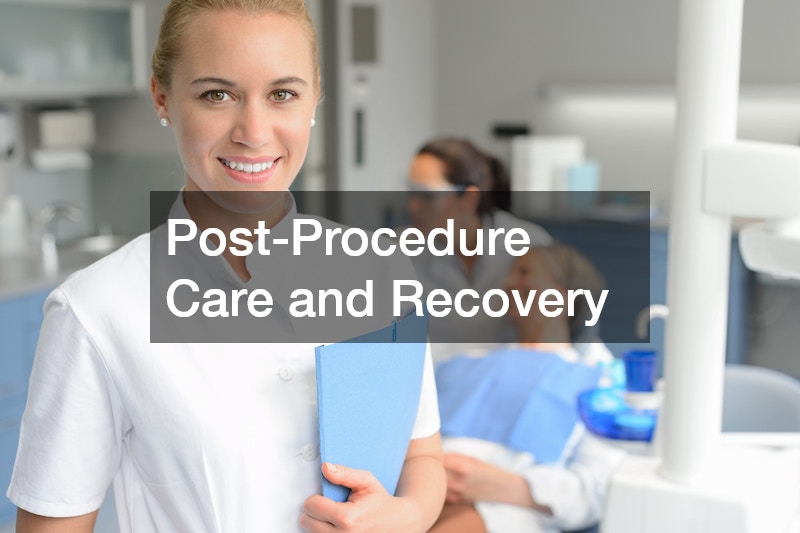
Post-Procedure Care and Recovery
Proper care after a procedure ensures healing and prevents complications. Whether it’s a simple cleaning or a complex dental implant, post-procedure routines are critical.
Immediate Care
-
Follow dentist instructions carefully, including medication schedules.
-
Avoid hard foods or chewing near the treated area initially.
-
Use ice packs for swelling and maintain oral hygiene carefully.
Long-Term Maintenance
-
Brush and floss gently, avoiding pressure on sensitive areas.
-
Schedule follow-up appointments to monitor healing.
-
For implants, avoid smoking and maintain a nutrient-rich diet to support recovery.
Recognizing Issues
-
Persistent pain, swelling, or bleeding may indicate a complication.
-
Contact your dentist promptly if symptoms worsen.
Good post-procedure care maximizes the benefits of your dental work and promotes lasting dental care.
Emergency Situations and When to Seek Help
Not all dental issues can wait for a scheduled visit. Knowing when to seek urgent care is essential to prevent complications, reduce pain, and protect your overall health. While some problems may seem minor, ignoring them can lead to infections, prolonged discomfort, or even the loss of a tooth. Being able to recognize the difference between a routine concern and a true emergency ensures that you respond appropriately and quickly.
Some urgent situations include severe or sudden tooth pain, swelling around the gums or face, a knocked-out tooth, broken dental work, or signs of infection such as fever or pus. Trauma to the jaw or oral cavity, whether from an accident or sports injury, also warrants immediate attention. In these cases, delaying care could make treatment more complicated or prolong recovery.
Preparation is key. Keep a small dental emergency kit at home containing items like gauze, antiseptic wipes, pain relievers, and the contact information for your dentist and local emergency hospital. Knowing the location and operating hours of emergency facilities near you can save valuable time. Additionally, take clear photos of injuries or affected areas when possible, as this helps dental professionals assess the situation even before your arrival.
By staying alert to warning signs and having a plan in place, you can respond quickly, minimize discomfort, and protect your long-term oral health.
Common Emergencies
-
Severe tooth pain or swelling
-
Broken or knocked-out teeth
-
Infections or abscesses
-
Trauma to the jaw or mouth
Emergency Response
-
Minor injuries may be managed with temporary measures at home.
-
Severe cases should prompt a visit to an emergency hospital or urgent care.
Preparation Tips
-
Keep a basic emergency dental kit with pain relievers, antiseptic, and gauze.
-
Know local emergency facilities and their contact information.
-
Take photos of the injury to help dental professionals assess the situation.
Responding quickly to dental emergencies can prevent long-term damage and reduce recovery time.
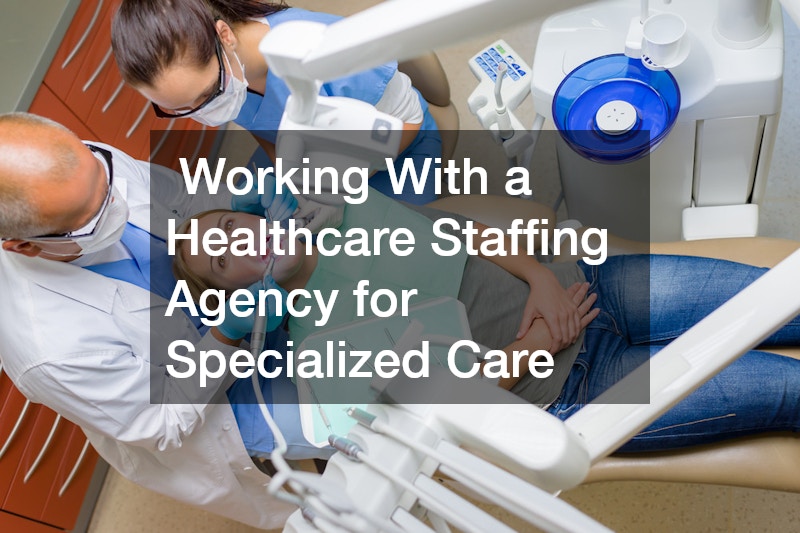
Working With a Healthcare Staffing Agency for Specialized Care
Some dental procedures, particularly complex or specialized treatments, may require professionals with specific expertise. A healthcare staffing agency can connect patients or clinics with highly qualified dental specialists who possess the necessary skills and experience to handle unique or advanced cases. These agencies act as a bridge, ensuring that patients receive the right care at the right time, even when local availability is limited.
Staffing agencies can assist clinics in filling temporary gaps caused by staff shortages, vacations, or increased patient demand, which helps maintain a consistent level of care. For patients, this means access to specialists who are trained in procedures such as advanced dental implants, oral surgery, or complex restorative work, without long delays.
Using a healthcare staffing agency also helps clinics maintain compliance with industry standards, as the professionals they provide are typically thoroughly vetted, credentialed, and up-to-date with the latest techniques and regulations. Additionally, agencies can offer ongoing support and guidance to both patients and clinics, ensuring that treatment plans are executed efficiently and safely.
By leveraging a staffing agency, patients and dental practices alike gain confidence that every procedure will be handled by a knowledgeable professional. This not only improves outcomes but also reduces stress for patients and staff, creating a smoother, more reliable dental care experience.
Benefits
-
Access to highly trained dentists or hygienists for specialized procedures
-
Reduced wait times for urgent care
-
Ensures clinics maintain high-quality care standards
When to Consider Staffing Assistance
-
For a rare or advanced dental procedure
-
When a regular dentist is unavailable for specialized treatment
-
To manage increased patient load without compromising quality
Staffing agencies play a crucial role in ensuring patients receive timely, professional care in every dental scenario.
Tips for Parents on Childcare and Dental Health
Coordinating dental visits with family schedules is easier when you consider childcare arrangements. For many parents, juggling work, household responsibilities, and children’s activities can make scheduling appointments feel like a challenge. Planning ahead and aligning dental visits with existing childcare routines helps reduce stress and ensures that both parents and children can attend appointments without disruption.
One strategy is to schedule appointments during times when children are already engaged in a childcare service or at local toddler preschools, so parents can attend their own appointments or manage other family needs simultaneously. If the dental visit involves the child, consider timing it around their most alert and cooperative periods of the day—often mid-morning—so the experience is smoother for both the child and the dentist.
Communication with your childcare provider is also important. Inform them of your child’s upcoming appointment so they can provide support before and after the visit, such as reminding the child about brushing, explaining the procedure in a reassuring way, or offering extra comfort afterward. Additionally, maintaining a consistent routine helps children feel more secure and prepared, reducing anxiety.
By thoughtfully coordinating dental visits with childcare arrangements, families can manage appointments efficiently, foster positive attitudes toward dental care, and ensure that children develop lifelong healthy oral hygiene habits. Planning ahead benefits everyone, turning what could be a stressful task into a manageable part of family health routines.
Coordinating Visits
-
Align appointments with childcare services or preschool schedules.
-
Take advantage of early morning or midday appointments when children are alert.
Promoting Healthy Habits at Home
-
Encourage brushing and flossing before and after childcare activities.
-
Model good dental habits for children to emulate.
Integrating Dental Education
-
Use structured childcare services to reinforce oral hygiene practices.
-
Introduce healthy snacks and drinks that support oral health.
Early emphasis on oral hygiene supports overall children development, laying the foundation for lifelong healthy habits.
Maintaining Routine Dental Care Between Appointments
Preparation doesn’t end with a single visit. Consistency between appointments ensures lasting oral health and helps prevent small issues from turning into more serious problems. While a single dental cleaning or checkup is important, maintaining a regular routine of oral hygiene and preventive care is what truly supports long-term dental health. Small daily actions—like brushing thoroughly twice a day, flossing once daily, and using mouthwash as recommended—play a crucial role in keeping teeth and gums healthy between professional visits.
It’s also important to be proactive in noticing changes in your oral health. Pay attention to signs such as tooth sensitivity, bleeding gums, or persistent bad breath. Recording these observations in a dental log can help you track trends over time and provide your dentist with valuable information during your next appointment.
Scheduling follow-ups in advance helps ensure you stay on track. Many dental offices allow you to book your next cleaning or checkup before you leave, which prevents lapses in care. Additionally, setting reminders on your phone or calendar can reinforce consistency. By combining good daily habits with regular professional monitoring, you create a comprehensive approach that protects your teeth and gums, reduces the risk of cavities or gum disease, and makes each dental appointment more efficient and productive.
Daily Habits
-
Brush at least twice a day with fluoride toothpaste.
-
Floss daily to prevent plaque buildup.
-
Limit sugary foods and beverages.
Tracking Progress
-
Maintain a dental log to note any concerns or changes.
-
Schedule regular checkups in advance to secure preferred dates.
Regular Follow-Ups
-
Set reminders for cleanings, x-rays, and examinations.
-
Review treatment plans with your dentist regularly to adjust care as needed.
Consistent dental care reinforces healthy habits and makes every dental appointment more productive.
Preparing for your next dental appointment doesn’t have to be overwhelming. By scheduling strategically, understanding procedures, managing anxiety, and planning for children or emergencies, you can approach your visit with confidence. Proactive preparation, combined with consistent oral care and collaboration with professionals, ensures each visit is productive and stress-free.
Integrating these strategies into your routine promotes long-term oral health, supports family dental habits, and enhances overall well-being. From routine checkups to complex procedures like implants, preparation is key. By staying organized, communicating openly with your dentist, and maintaining healthy habits between visits, you protect your investment in your smile and create a positive, lifelong relationship with your dental care team.
With these tips and strategies, every dental visit—whether for you or your children—can be handled efficiently, safely, and confidently, turning what once felt stressful into a simple, manageable part of life.