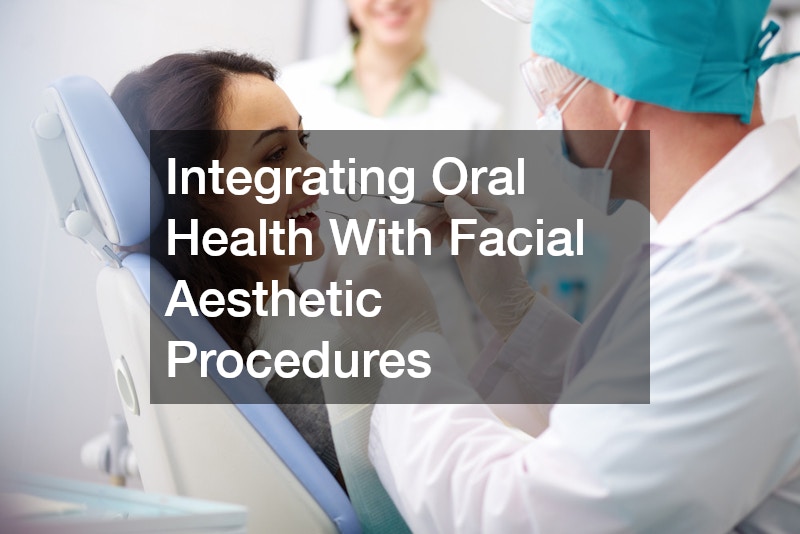
Oral health and facial aesthetics are often approached as separate pursuits, yet they are structurally and visually intertwined. Teeth influence how lips rest, how the jaw supports the face, and how expressions are perceived. Facial aesthetic procedures, in turn, can change how dental features are framed and noticed. Treating these elements independently can lead to inefficiencies, conflicting results, or treatments that age poorly over time.
Patients increasingly seek comprehensive improvements rather than isolated fixes. Achieving this requires an integrated mindset that prioritizes health, sequencing, and long-term performance. When oral care and facial aesthetic procedures are planned together, outcomes tend to look more natural, feel more comfortable, and remain stable as the face changes over time.
Establish a Stable Oral Health Baseline
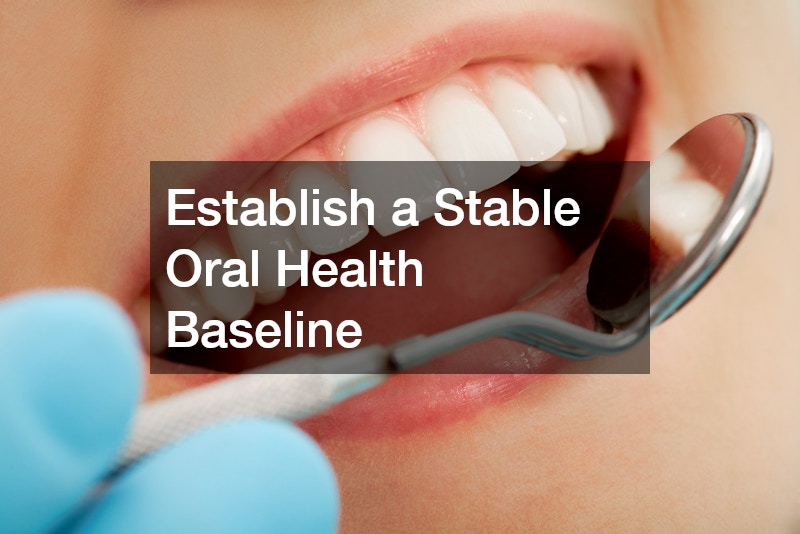
Every successful aesthetic plan begins with oral stability because the condition of the teeth and supporting tissues determines how well any enhancement will perform over time. A dentist evaluates the health of the teeth, gums, jaw alignment, and underlying bone to confirm that they can support cosmetic or facial procedures without increased risk of failure. Even concerns that seem minor during routine care can become significant once aesthetic treatments are layered on top.
Baseline issues often develop gradually, which makes them easy to overlook without a comprehensive assessment. These concerns commonly include:
- Chronic gum inflammation that alters smile contours and affects how teeth are framed by the lips
- Bite discrepancies that shift jaw posture and influence facial symmetry
- Existing restorations nearing the end of their lifespan that may fail under additional stress
- Habits such as grinding that accelerate wear and destabilize cosmetic work
Each of these factors can subtly change how the lower face is supported. For example, bite imbalances can lead to uneven muscle engagement, which may affect facial expression and jaw comfort. Gum inflammation can alter the visual proportions of teeth, making cosmetic refinements appear inconsistent or short-lived. Worn restorations may also compromise the uniformity of a smile once surrounding areas are enhanced.
A compromised foundation often produces results that aesthetic procedures alone cannot correct. Facial asymmetry, tension-related discomfort, or uneven wear patterns may persist despite cosmetic improvements, leading to frustration or the need for revisions. Addressing these issues upfront allows treatments to build upon a stable structure rather than compensating for hidden weaknesses.
By stabilizing oral health first, patients gain clarity about what improvements are feasible and sustainable. This step prevents investing in cosmetic solutions that mask deeper problems and ensures that future procedures enhance natural structure rather than compensate for underlying instability.
Develop a Unified Aesthetic and Health Strategy
A cosmetic dentist helps translate patient goals into a long-term plan that accounts for both appearance and durability by looking beyond individual procedures and evaluating how each decision will affect future options. This role involves balancing aesthetic desires with functional requirements so that improvements remain stable and visually consistent over time. Instead of treating concerns as isolated problems, the focus is on creating a cohesive strategy that evolves with the patient’s needs.
Strategic planning centers on understanding how treatments interact and build upon one another. Key priorities often include:
- Sequencing procedures to avoid rework, ensuring that foundational changes occur before finishing treatments
- Preserving natural tooth structure where possible, which supports long-term health and reduces the need for aggressive interventions
- Selecting materials that age predictably and maintain their appearance alongside natural teeth
This type of planning prevents common missteps that can complicate future care. For instance, placing cosmetic restorations before addressing alignment can restrict later correction options or require replacement once teeth shift. Similarly, choosing short-lived cosmetic solutions may deliver quick visual results but conflict with long-term oral health goals if they require frequent replacement or place additional stress on surrounding teeth.
A unified strategy also helps align expectations across providers by clarifying timelines, priorities, and intended outcomes. When each step is part of a broader plan, treatments reinforce one another rather than compete for space or stability. Patients benefit from a clear roadmap that balances immediate improvements with lasting results, reducing surprises and supporting a more predictable, satisfying outcome.
Address Tooth Alignment Before Cosmetic Refinement
Tooth alignment influences facial symmetry, smile width, and jaw positioning in ways that extend beyond the teeth themselves. When braces are indicated, they are best completed before cosmetic refinements because alignment changes how the lips rest, how much tooth structure is visible, and how the jaw functions during speech and chewing. These structural shifts affect the overall balance of the lower face, making alignment a foundational step rather than an optional enhancement.
Correcting alignment early creates a stable framework that supports more conservative and predictable cosmetic work later. Benefits of addressing alignment first include:
- Improved facial balance without additional procedures, as teeth and jaws naturally settle into more harmonious positions
- Reduced need for aggressive reshaping, since teeth are already positioned correctly rather than being modified to compensate
- Better distribution of bite forces, which protects both natural teeth and any future restorations from uneven wear
Patients sometimes hesitate due to the perceived time commitment, but alignment often simplifies later treatments instead of prolonging them. Once teeth are properly positioned, cosmetic procedures can focus on refinement rather than correction. This frequently results in fewer restorations, less enamel removal, and more natural-looking outcomes.
A properly aligned smile also tends to age better. Balanced forces and improved jaw function reduce the risk of chipping, wear, or shifting that can undermine cosmetic results over time. Orthodontic correction supports both function and aesthetics, creating harmony that cosmetic treatments alone cannot achieve.
Incorporate Discreet Alignment Into Broader Planning

For patients prioritizing subtlety, Invisalign provides flexibility when integrated thoughtfully into a broader aesthetic plan. Because clear aligner therapy progresses incrementally, it allows providers to observe changes in tooth position, lip support, and smile dynamics in real time rather than committing to irreversible cosmetic decisions too early.
This gradual progression makes coordination especially important. Key planning considerations include:
- Scheduling cosmetic procedures after alignment milestones so restorations or enhancements are based on near-final positioning rather than assumptions
- Monitoring facial changes as teeth move, particularly around the lips and lower face, where even minor shifts can influence overall balance
- Adjusting timelines to accommodate aligner wear, refinements, or pauses without disrupting other planned treatments
Clear Invisalign aligners offer the advantage of adaptability throughout treatment. As alignment progresses, providers can reassess facial proportions, tooth display, and bite relationships, then refine the overall plan accordingly. This allows cosmetic decisions to respond to actual outcomes instead of projected ones, reducing the risk of mismatched proportions or unnecessary revisions.
This dynamic approach also supports patient comfort and confidence. Because changes occur gradually, patients can acclimate to their evolving appearance and provide feedback that informs next steps. When alignment is treated as part of a larger strategy rather than a standalone step, results feel intentional rather than incremental, with each phase reinforcing the long-term aesthetic vision.
Prepare the Mouth With Preventive Maintenance
Preventive care underpins every successful aesthetic outcome by establishing a stable, healthy environment for any enhancement. Regular teeth cleaning services reduce inflammation, stabilize tissues, and improve healing capacity, all of which directly influence how cosmetic work looks and lasts over time.
Preventive maintenance supports aesthetics by:
- Creating healthier gum contours that frame the smile more evenly
- Reducing discoloration and buildup that can interfere with cosmetic results
- Allowing accurate shade assessment before restorative or aesthetic procedures
When plaque and inflammation are controlled, tissues respond more predictably to cosmetic treatments, from bonding to more comprehensive restorations. Clean surfaces also allow providers to evaluate tooth color, texture, and translucency accurately, reducing the risk of mismatched shades or uneven outcomes.
Patients who maintain preventive routines often experience fewer complications, such as gum irritation or delayed healing, and enjoy longer-lasting results from aesthetic procedures. This step also reinforces patient habits that protect investments over time. Aesthetic enhancements perform best when supported by consistent care that preserves both oral health and visual balance.
Time Smile Brightening for Consistent Results
Tooth whitening enhances smile brightness but requires careful timing to avoid unnecessary repetition or compromised results. When whitening is performed without regard for the overall treatment sequence, color changes elsewhere in the smile can quickly make the results look uneven or temporary.
Optimal timing considerations include:
- Completing alignment first, since tooth movement can reveal new surfaces that were not previously exposed
- Whitening before final restorations so restorative materials can be matched to the stabilized shade
- Managing sensitivity during multi-step plans by spacing treatments appropriately
Whitening too early may lead to uneven coloration once teeth shift or restorations are placed, while whitening too late can result in visible mismatches because crowns, veneers, and fillings do not change color. Planning the procedure at the right stage allows the achieved shade to serve as a reference point for all subsequent cosmetic work.
Whitening should be treated as a finishing step rather than an isolated procedure. When integrated correctly, it enhances cohesion across treatments, helping natural teeth and restorations blend seamlessly.
Patients also benefit from realistic expectations about longevity and maintenance. Understanding how lifestyle habits, oral care routines, and periodic touch-ups influence results ensures brightness complements the overall aesthetic rather than overpowering it.
Restore Missing Teeth With Long-Term Impact in Mind
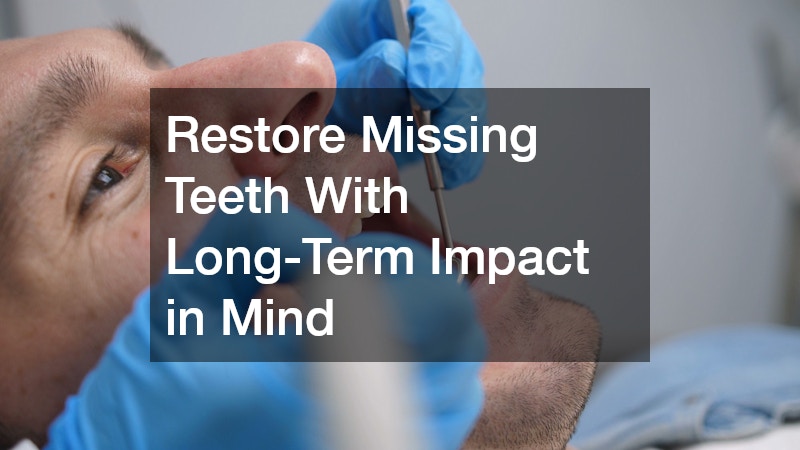
Missing teeth affect facial support, bite stability, and aging patterns. Dental implants restore function while preserving bone and facial contours by replacing both the visible tooth and the underlying root structure that supports surrounding tissues.
Early intervention helps prevent:
- Bone loss that alters facial shape by reducing support in the jaw
- Shifting teeth that disrupt alignment and create uneven spacing
- Uneven muscle engagement can change how the jaw and lips function at rest and during movement
When gaps remain unaddressed, the surrounding teeth often drift, the bite becomes less stable, and facial muscles compensate in ways that accelerate visible aging. These changes can complicate future treatments and limit aesthetic options.
Implants must be planned in coordination with alignment and cosmetic goals. Placement timing influences soft tissue contours and final aesthetics, particularly in visible areas where gum shape and tooth proportions affect the smile and lower face balance. Coordinating implant placement with other treatments helps ensure proper spacing, symmetry, and load distribution.
By restoring structure proactively, patients support both oral health and facial harmony over time, reducing the need for corrective procedures and preserving a more natural appearance as they age.
Consider Soft-Tissue Enhancements in Context
Facial enhancements such as lip filler interact directly with dental structure because the teeth and supporting bone form the framework beneath the lips. Tooth position affects lip projection, symmetry, and support, influencing how soft-tissue changes are perceived once enhancements are introduced.
Key coordination principles include:
- Completing tooth movement first to establish a stable foundation
- Evaluating lip support after restorations to assess true volume needs
- Avoiding compensatory enhancements that attempt to mask structural issues
When teeth are misaligned or spacing is unresolved, soft-tissue volume may be used to compensate for inadequate support, leading to disproportionate results. Once alignment and restorations are complete, lip position often improves naturally, reducing the amount of enhancement required.
Soft-tissue treatments should refine rather than compensate. When dental foundations are stable, enhancements appear more natural and proportionate, complementing facial features instead of drawing attention to imbalance.
Thoughtful timing reduces the risk of overcorrection and maintains balance as the face evolves, allowing adjustments to be subtle and responsive rather than corrective.
Coordinate Care Across Disciplines
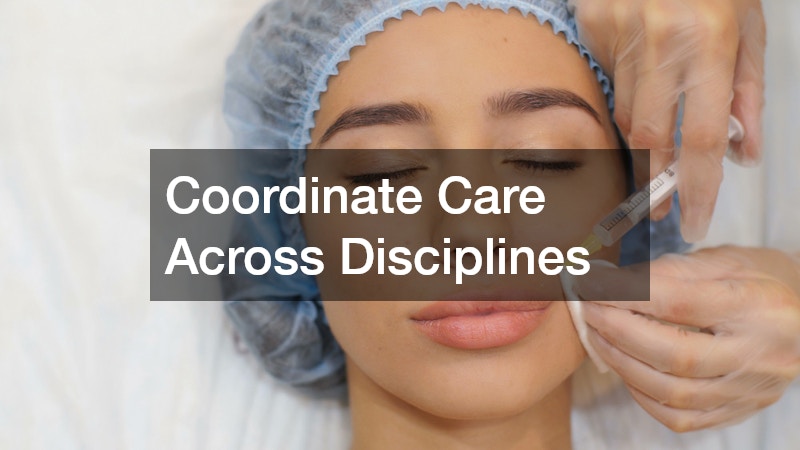
When treatments span dental and facial domains, collaboration with a plastic surgeon ensures cohesive outcomes by aligning structural changes with soft-tissue enhancements. Dental adjustments can subtly alter facial proportions, and without coordination, aesthetic procedures may be planned around a foundation that is still evolving. Clear communication helps each provider anticipate how their work influences the other’s results.
Effective coordination involves:
- Shared treatment timelines so procedures build on one another logically
- Aligned aesthetic objectives that reflect the patient’s long-term vision
- Respect for healing intervals to avoid compromising results or recovery
When timelines are synchronized, providers can sequence treatments to minimize disruption and avoid undoing prior work. For example, allowing sufficient healing after dental procedures ensures that facial enhancements are calibrated to stable contours rather than temporary changes.
Patients benefit when providers view the face holistically rather than as isolated features. This perspective supports balanced outcomes, where dental function, facial symmetry, and soft-tissue refinement reinforce one another instead of competing for attention.
Collaboration reduces revisions and supports predictable results, giving patients confidence that each step contributes meaningfully to the final appearance.
Integrated care transforms individual treatments into a unified plan, emphasizing continuity, efficiency, and long-term satisfaction.
Integrating oral health with facial aesthetic procedures requires foresight, coordination, and a commitment to long-term performance. When dental stability, alignment, and preventive care are prioritized, aesthetic enhancements can complement natural structure rather than compensate for deficiencies. Patients who adopt a comprehensive approach benefit from results that feel balanced, functional, and enduring—outcomes that reflect thoughtful planning rather than piecemeal decision-making.